01 The Opening
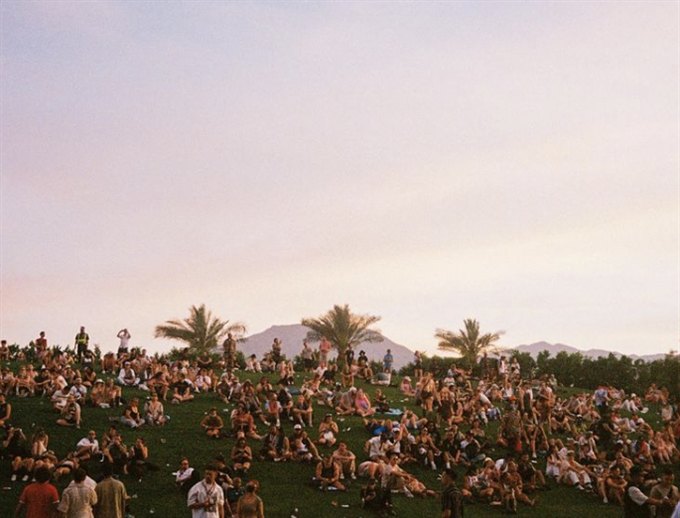
Every spring, tens of thousands of people drive into the desert to sleep outside for a weekend, pitching cheap tents in punishing heat for three uncomfortable nights. Much of the gear never comes home, and the waste festival camping leaves behind has become a visible problem for the brands attached to the scene.
For REI, the scene is an obvious opportunity. A huge crowd camps outdoors voluntarily, the behavior REI exists to support and supply. The people REI struggles to attract are already doing what REI is built for, and Goldenvoice offers a chance to reach the audience at the biggest cultural moments of the year.
02 What Each Side Owns
What Goldenvoice brings
- The audience REI most wants and cannot buy: a young, diverse crowd choosing to sleep outdoors.
- Coachella and Stagecoach, two of the largest camping festivals in the country, and a cultural spotlight turning anything on the grounds into content.
- Proven demand, since people already pay a premium for a better night on the grounds.
What REI brings
- The gear and the expertise to run camping properly at festival scale.
- A sustainability mission with hard-won credibility, the one asset a festival cannot manufacture.
- Two businesses REI already runs every day, renting gear and reselling used gear, the engine the plan needs.
03 Why the Fit Works
REI stands for stewardship and for buying less. The best-known REI campaign, Opt Outside, closes every store on the busiest shopping day of the year to send people outdoors. A festival runs on spectacle and consumption and leaves waste behind. The tension reads as the story rather than the obstacle. Underneath the tension, both brands exist to do the same thing: gather people outdoors for a unique experience. Letting REI into the story would let Coachella move toward the values critics say the festival misses. A partnership closing a values gap is more compelling than a pairing of two brands already alike. Both sides win only if festival camping becomes a better experience and a gentler one on the planet.
04 The Idea: Common Ground by REI
Common Ground by REI would be the company’s official presence across Goldenvoice’s campgrounds, launching at Coachella. The name works on two levels, the literal ground everyone camps on and the shared space where a festival crowd and an outdoor brand can meet. The program comes in two layers, and the split between them makes the model both profitable and far-reaching.
The Reserve, the premium layer.
The Reserve is the revenue engine and the showpiece: a premium paid camp of quality tents, already pitched and waiting, with proper beds and shade. Coachella already sells luxury camping through an outside vendor, so demand is proven. REI would run a better version, greener and carried by a brand people love. Aspirational and endlessly photographed, the camp would market the whole partnership at no extra cost.
The open layer, for everyone else.
The open layer reaches the rest of the campground, and holds the deeper value. Any camper can rent and return a full kit at the end of the weekend instead of buying disposable gear bound for the dirt. An REI store on the grounds sells the forgotten essentials and signs up new members on the spot. A gear-return program collects whatever gets left behind and feeds the refurbished stock into REI’s existing used-gear business, finally ending the abandoned-tent problem.
The premium layer pays the bills and the open layer wins the audience, so neither works as well without the other.
05 Why Both Sides Win
Partnerships tend to be either revenue driven or value driven. The strongest are both, and the Common Ground model is built to be both.
For REI, the win is the audience.
REI skews older and more affluent than the brand wants, and has openly acknowledged a need for younger, more diverse members. Coachella delivers the audience REI wants, in the one moment people are already choosing the outdoors. The program would give a whole generation a first good experience of camping, the start of a much longer relationship. The rental and premium revenue matters, but the audience is the prize.
For Goldenvoice, the win is reputation and experience.
Goldenvoice already sells camping, so REI has to offer what the festival cannot create alone. The offer starts with a sponsorship fee and a credible sustainability story answering years of criticism about festival waste. REI also delivers a better night for the guests who camp. The result is a greener reputation and a happier crowd returning the next year.
One side chases growth, the other reputation, and the partnership delivers both.
06 Proof and Measurement
A serious pitch comes with a plan to be judged. Success here would show up in a few honest numbers.
- New REI members signed over the weekend, and how many still shop with REI months later.
- Rental kits deployed, and the share of campers who rent instead of buying disposable gear.
- Gear kept out of the landfill through the return program, measured in tons and reported openly.
- Occupancy and revenue of the premium Reserve, measured against the vendor the Reserve would replace.
- Earned media and social reach, the return on a camp built to be photographed.
The smart way to prove the model is to start small. One premium block and a modest rental operation at a single Coachella would test whether the audience responds before anyone commits to scale.
07 My Take
The model works by refusing to choose between doing good and making money. The premium camp funds the sustainability, and the sustainability gives the premium camp meaning.
The idea carries risk, and pretending otherwise would be a mistake. Done cheaply, the program reads as greenwashing, a beloved brand renting out a conscience. Run poorly, camping at festival scale becomes an operational burden heavy enough to overshadow the goodwill the program was built to create. REI would also have to outperform whoever runs Coachella’s premium camping today to earn the flagship.
The idea would not stop at Coachella. After one weekend the model could extend to Stagecoach, whose country crowd is an even more natural fit, and then across the rest of Goldenvoice’s festivals. One activation becomes a template for making the whole festival business greener, and for making REI feel young.
An independent conceptual pitch built only from public information about the brands involved. The pitch is not affiliated with or endorsed by the brands, and the programs and figures described are illustrative.